Return-to-school support
Explore education or training programs and organize the steps for applying or enrolling.

Fiddletown, California
Sober living, transitional housing in the Sierra foothills.
Explore the home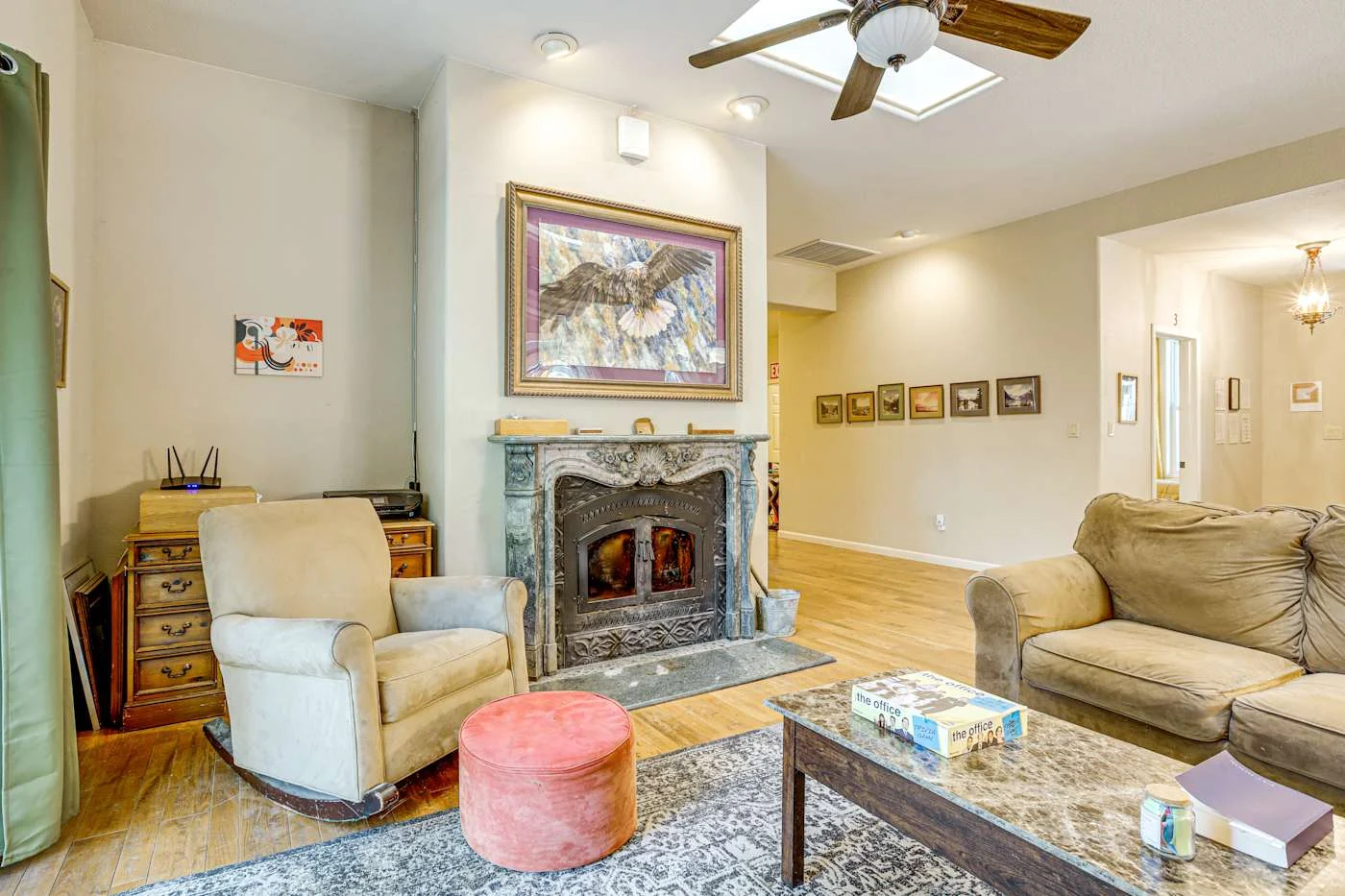
The home
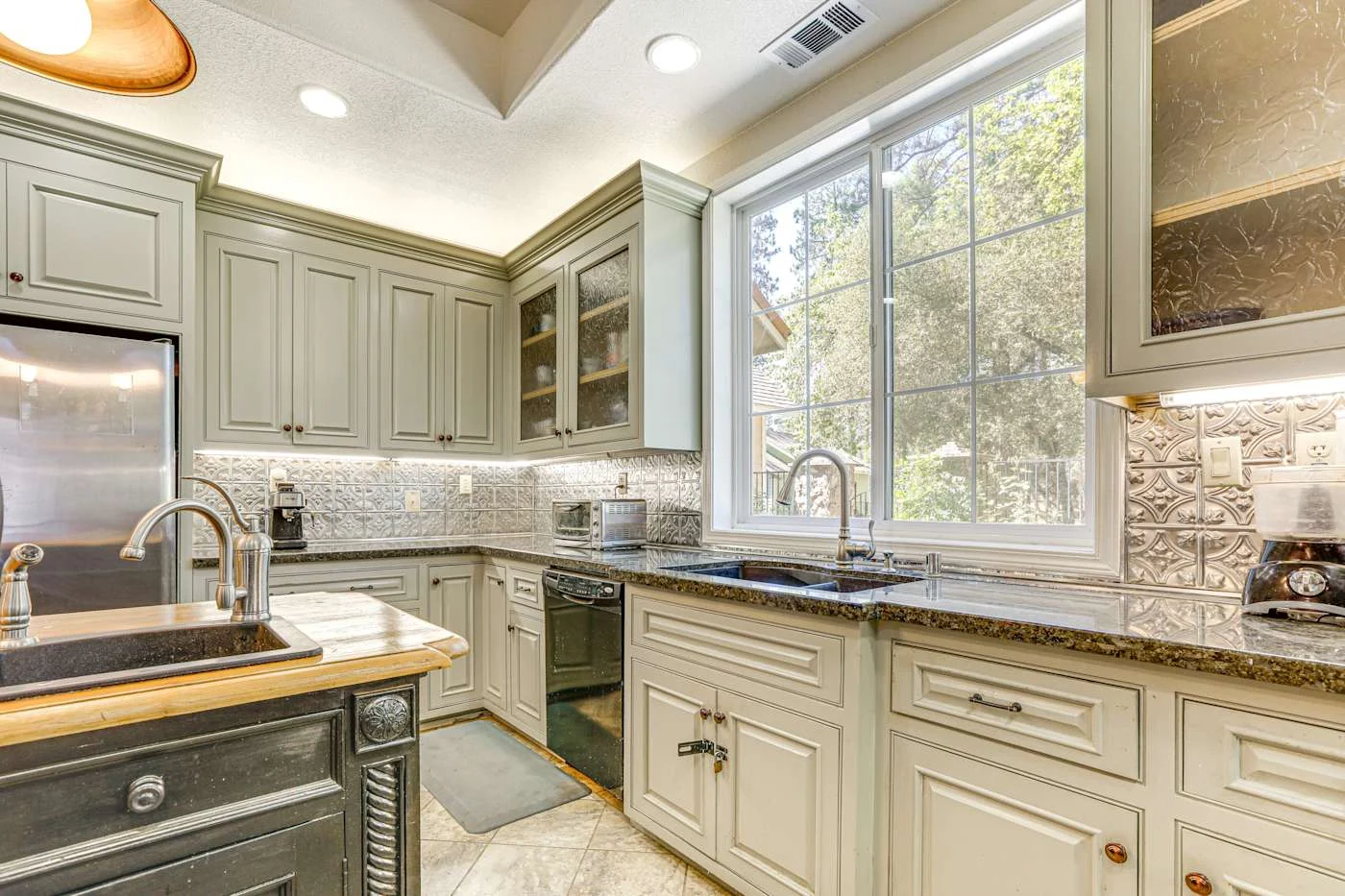
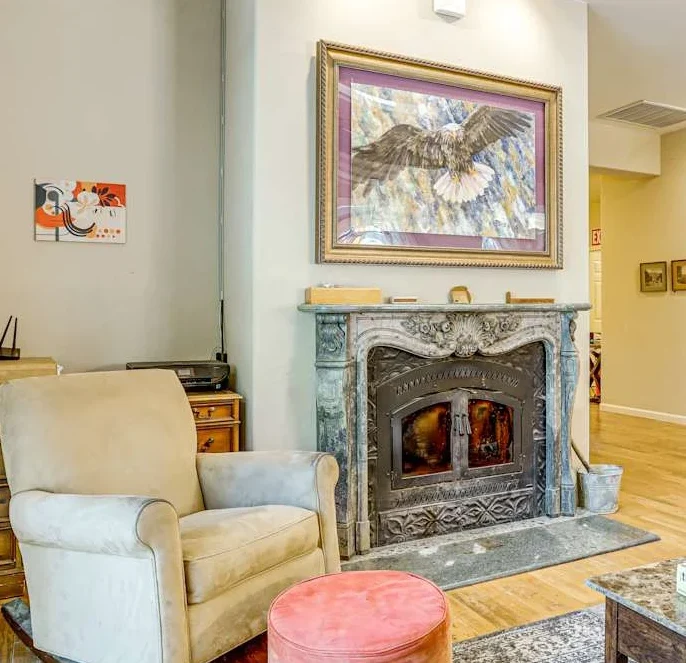
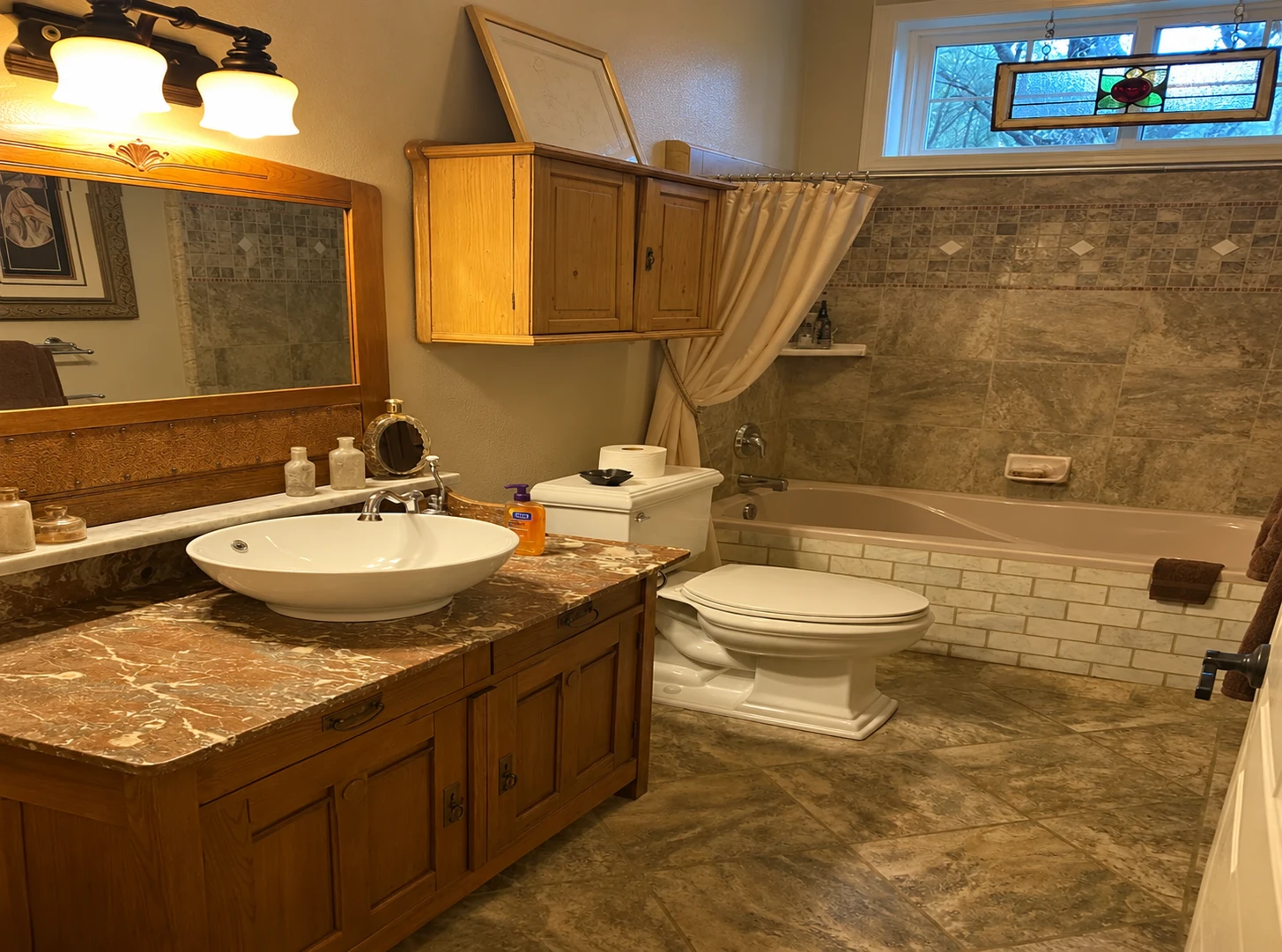
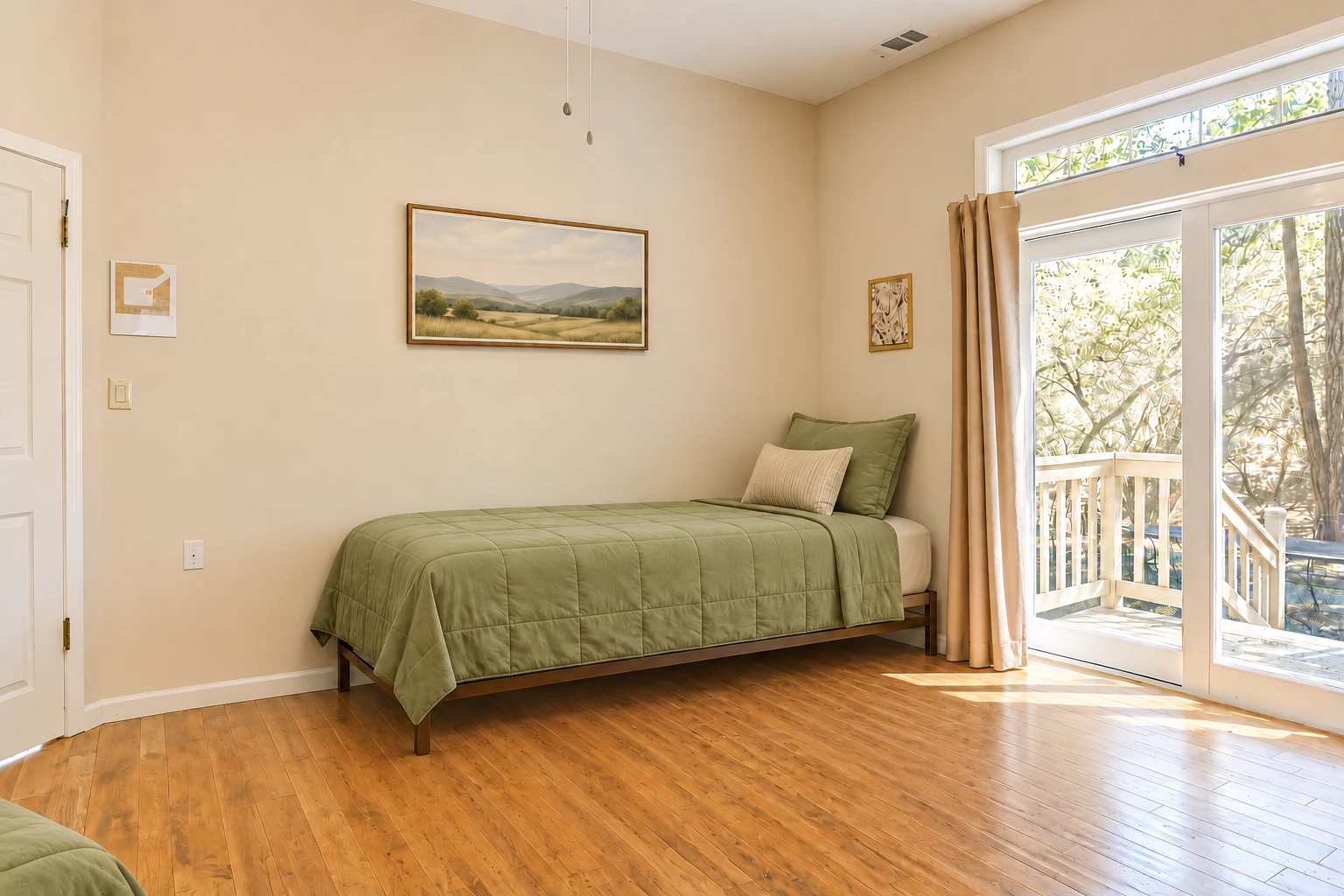
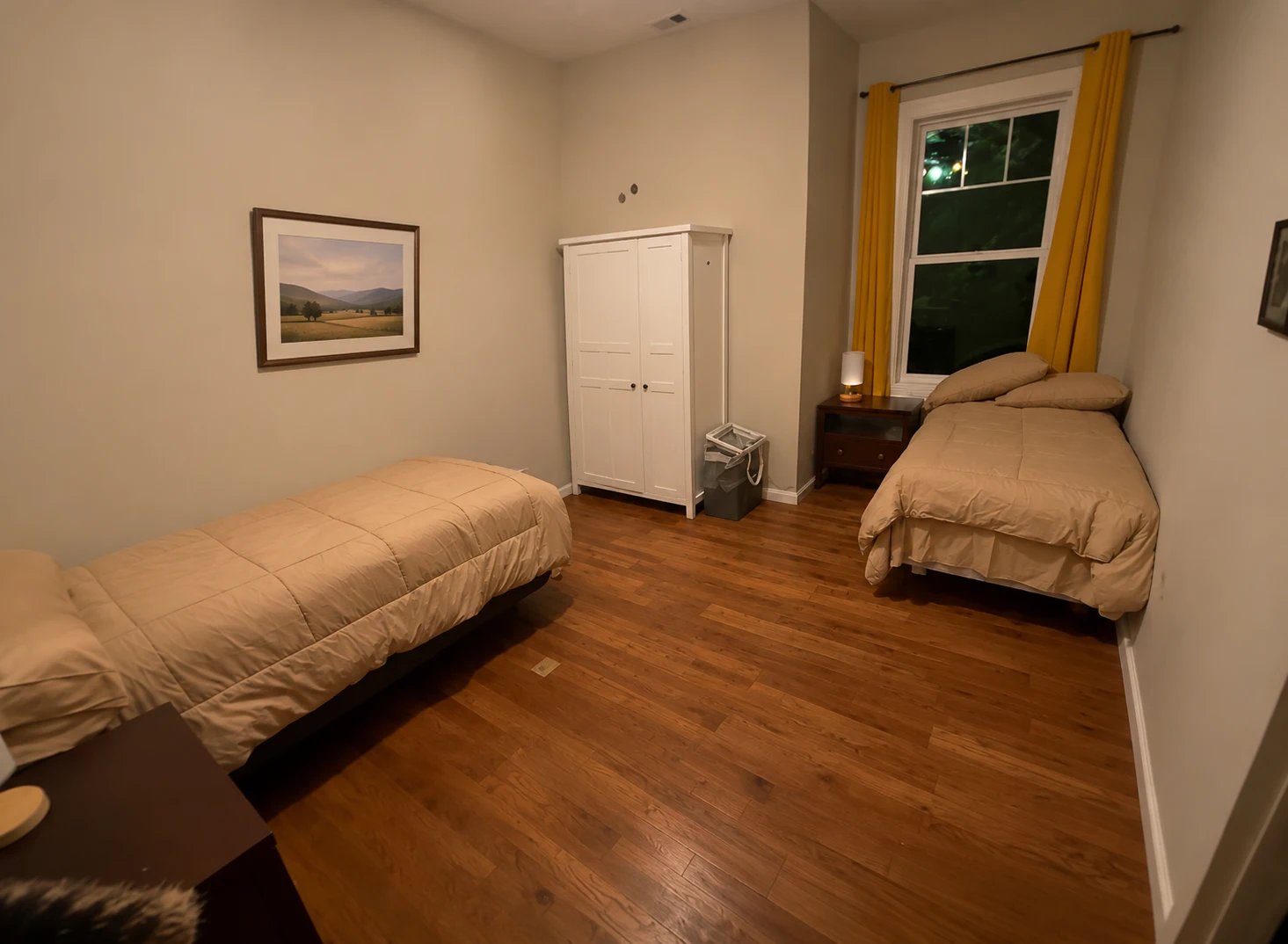
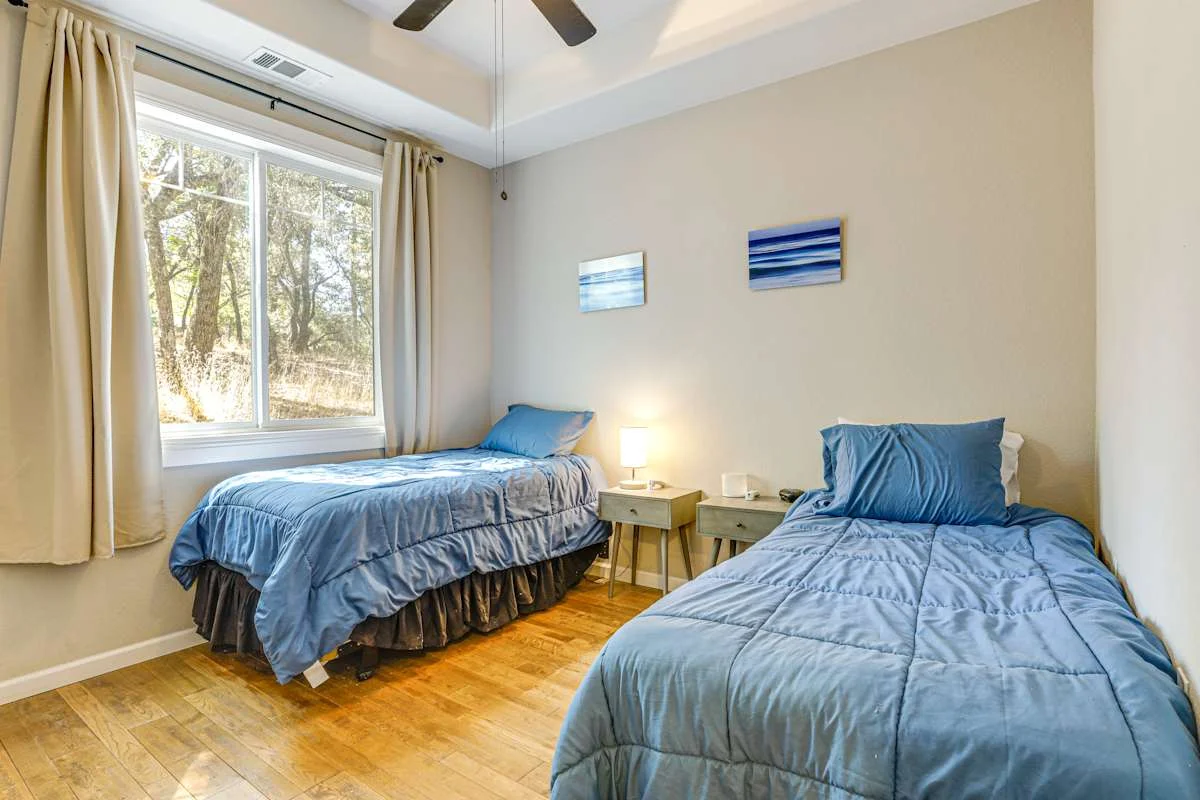
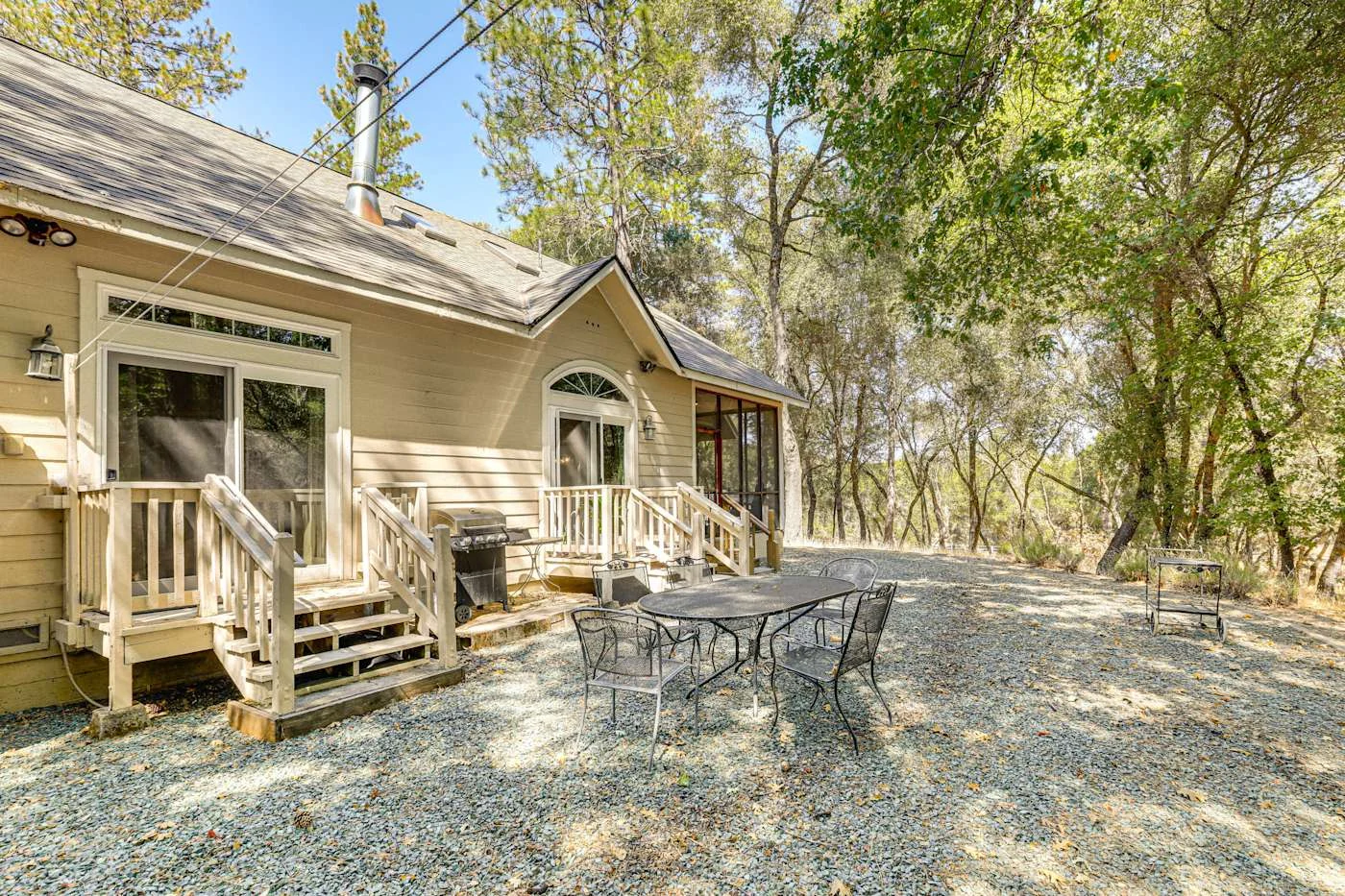
The three-bedroom, two-bath main house has shared spaces for cooking, meals, and time with other residents. Each resident has their own bed in a shared bedroom.
See the bed arrangement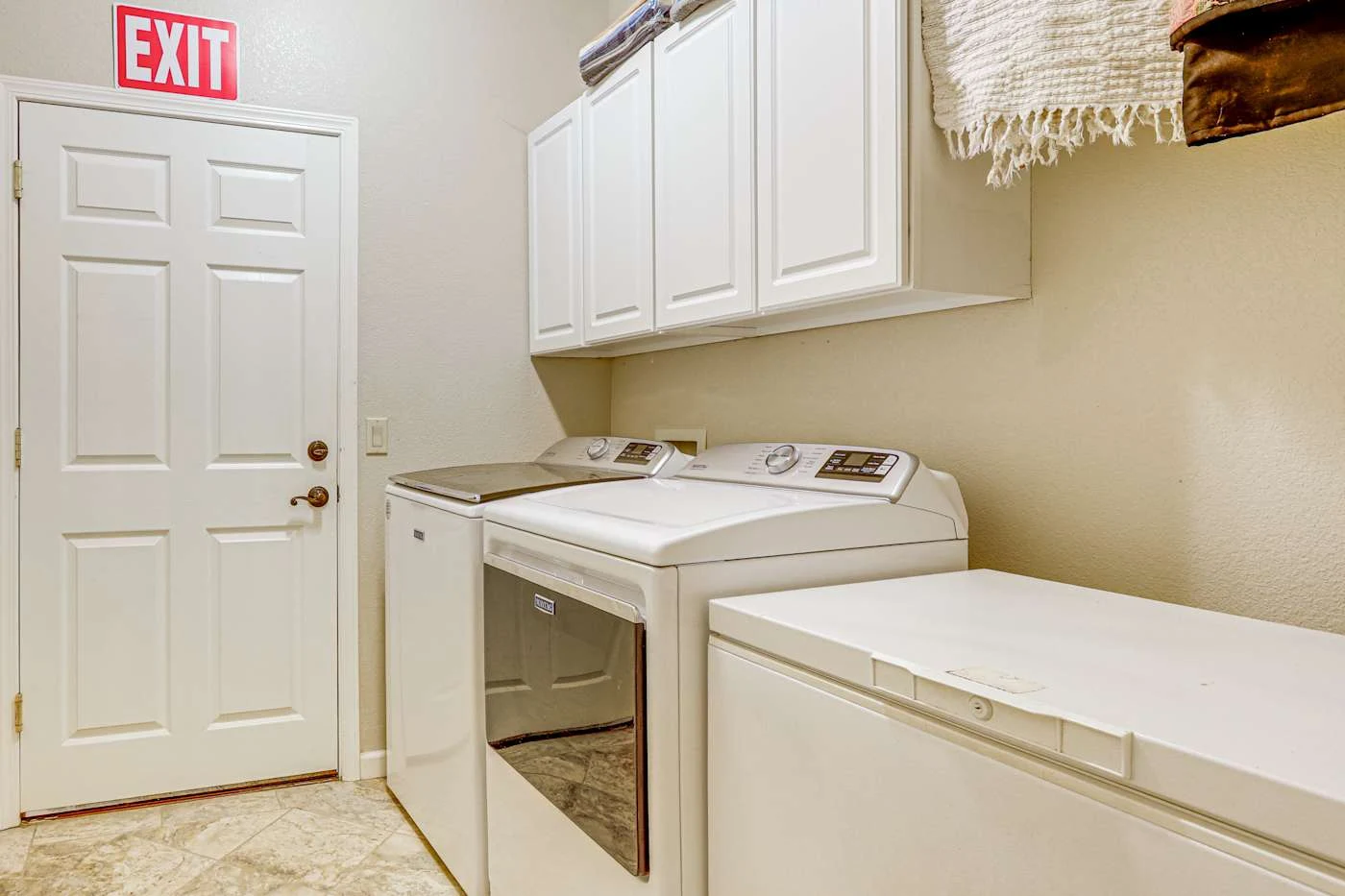
Bedroom 1 beds and wall art were digitally staged.
Bedroom 2 wall art was digitally added.
Bedroom 3 is shown as furnished in the property’s earlier Evolve listing.
The property
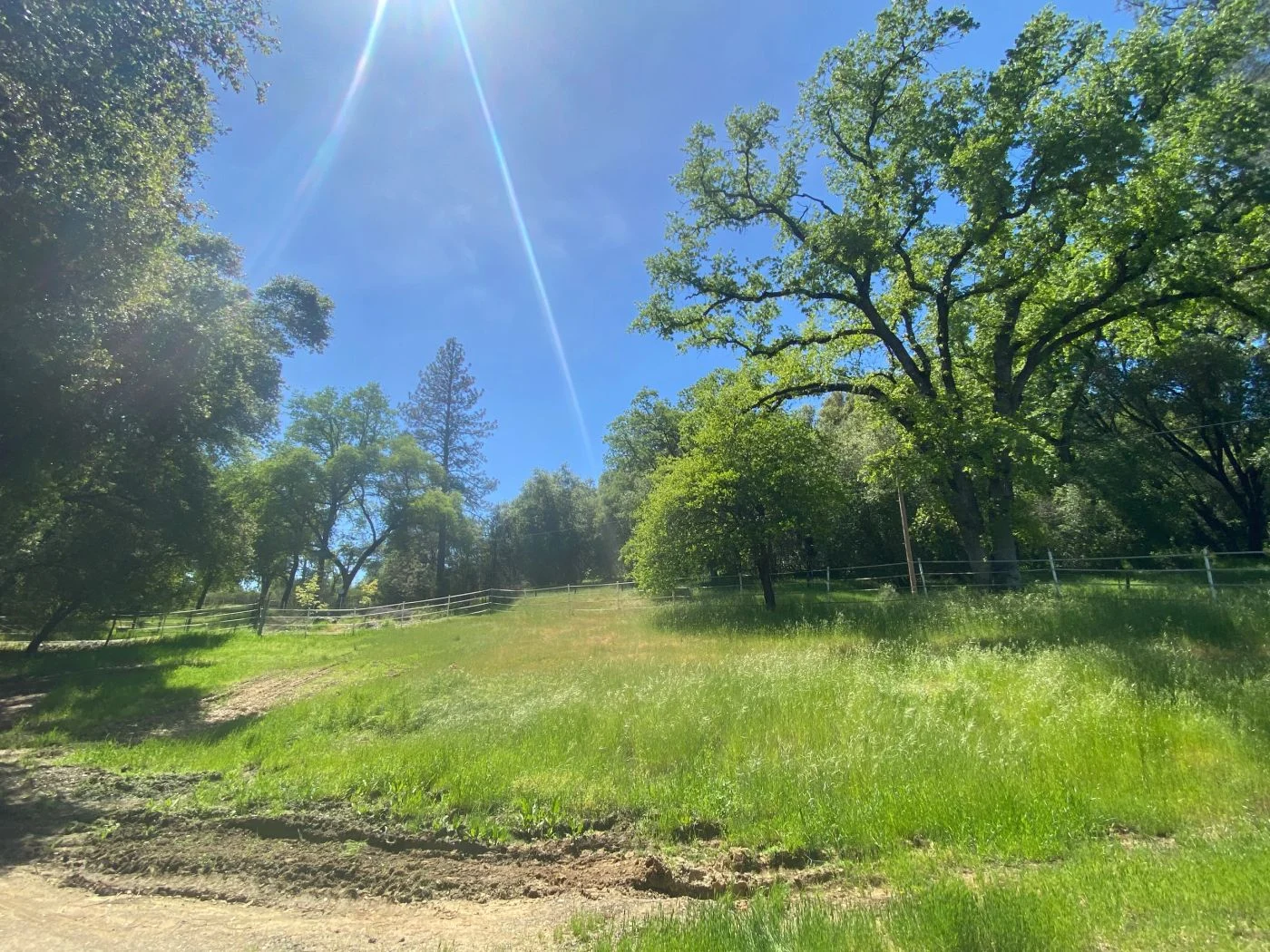
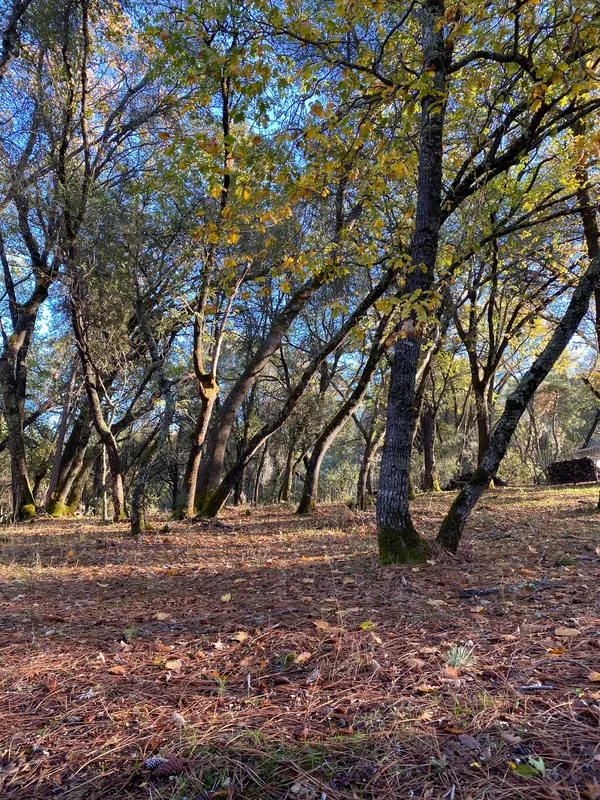
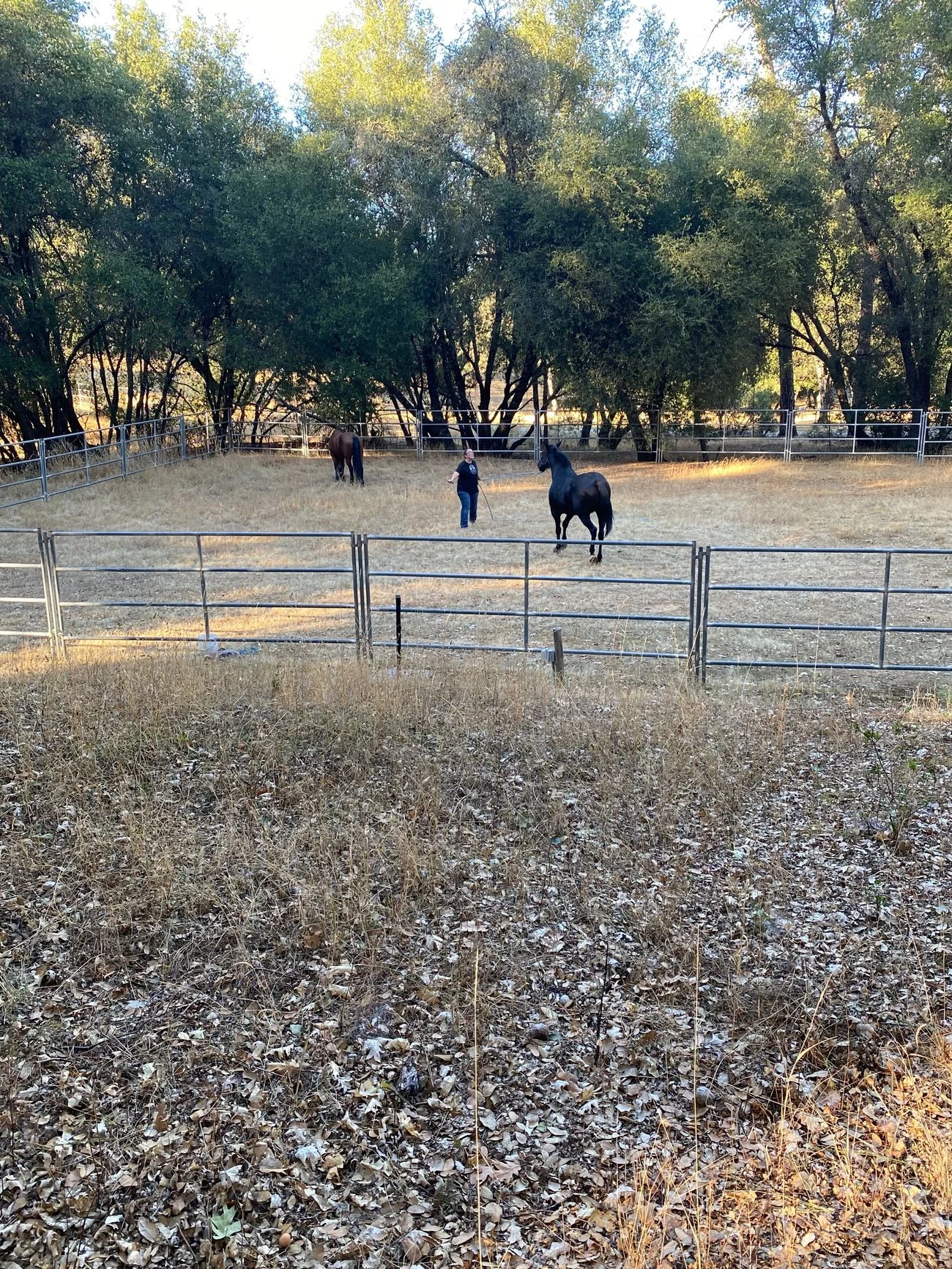
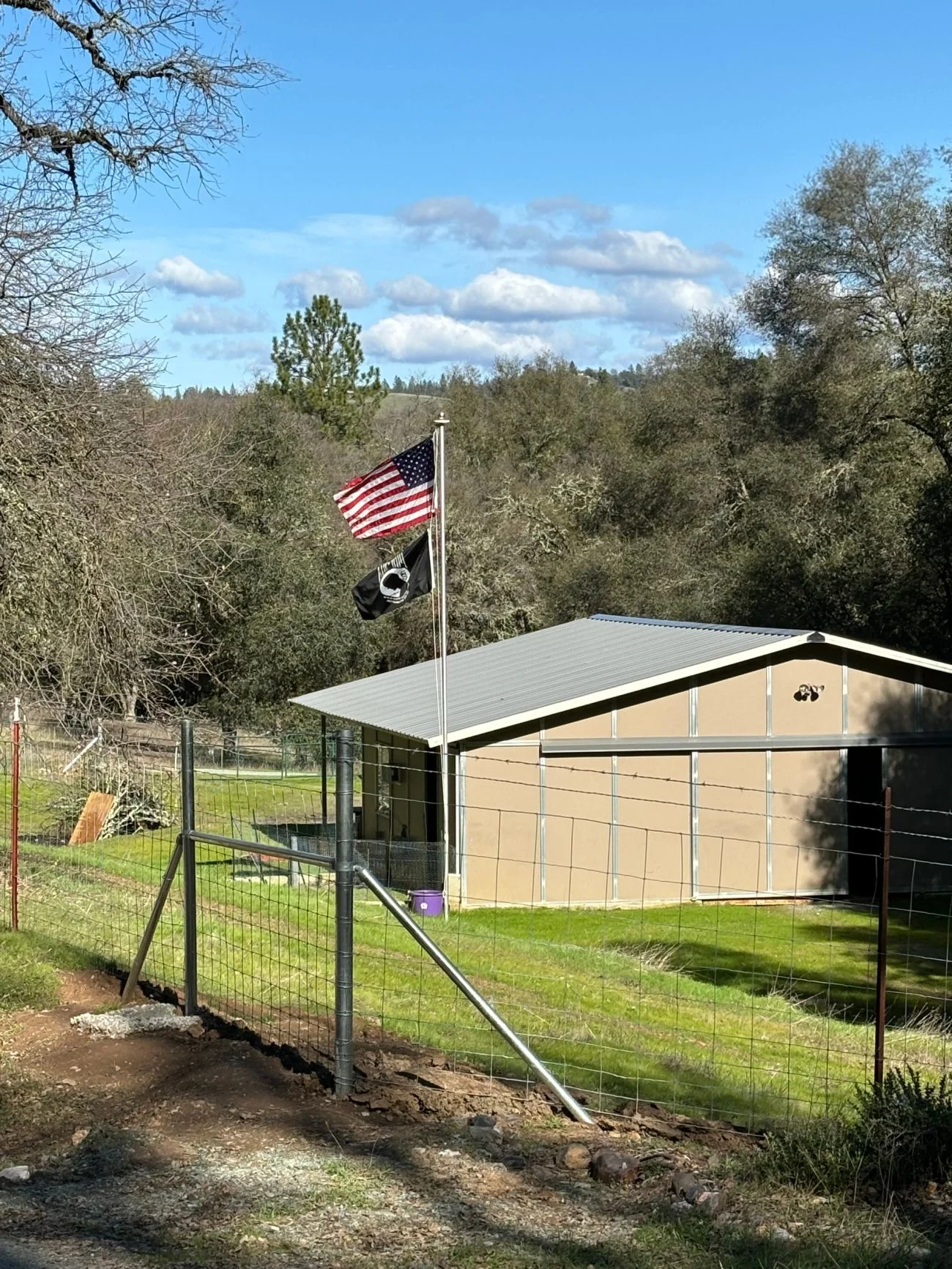
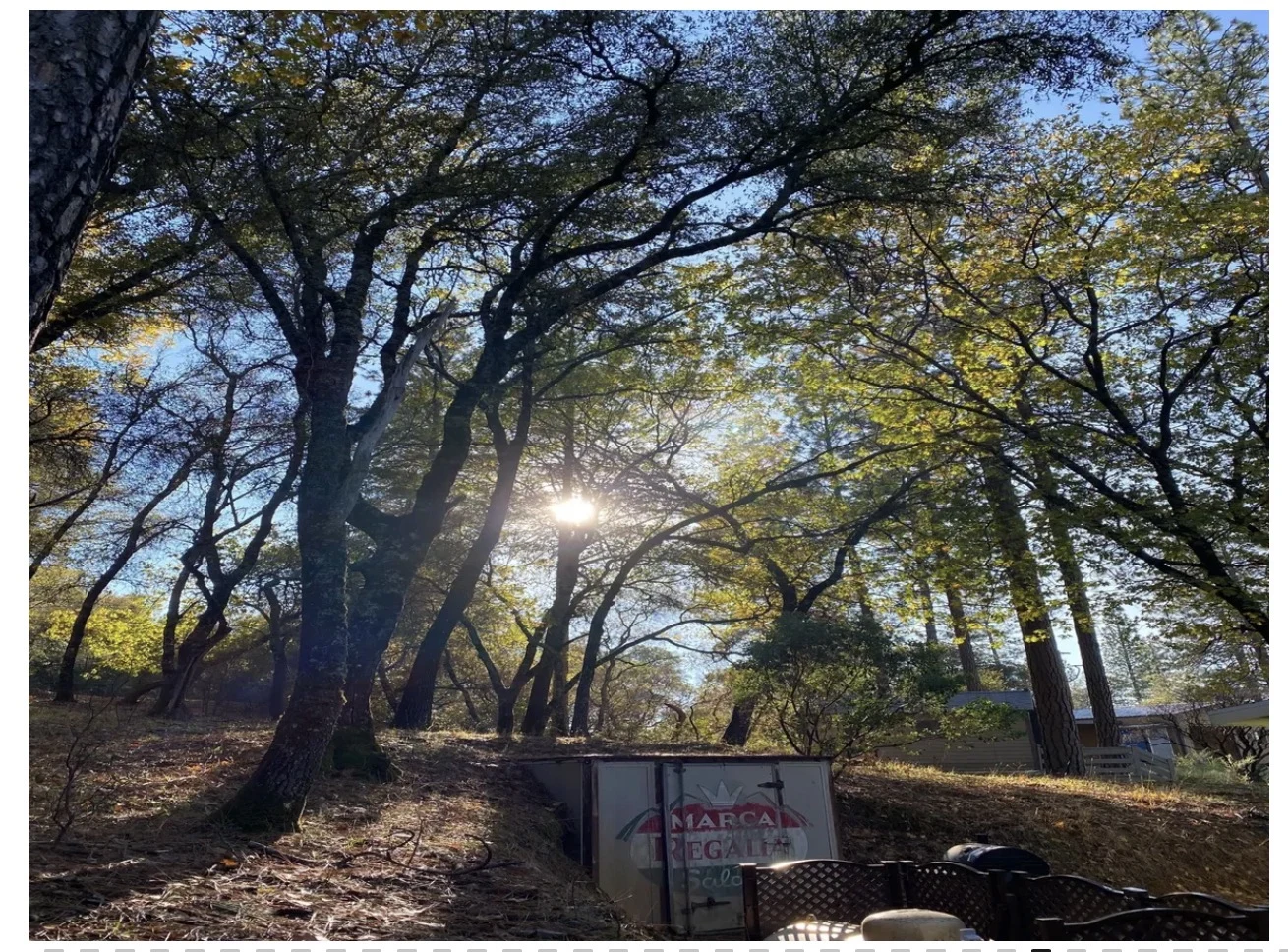
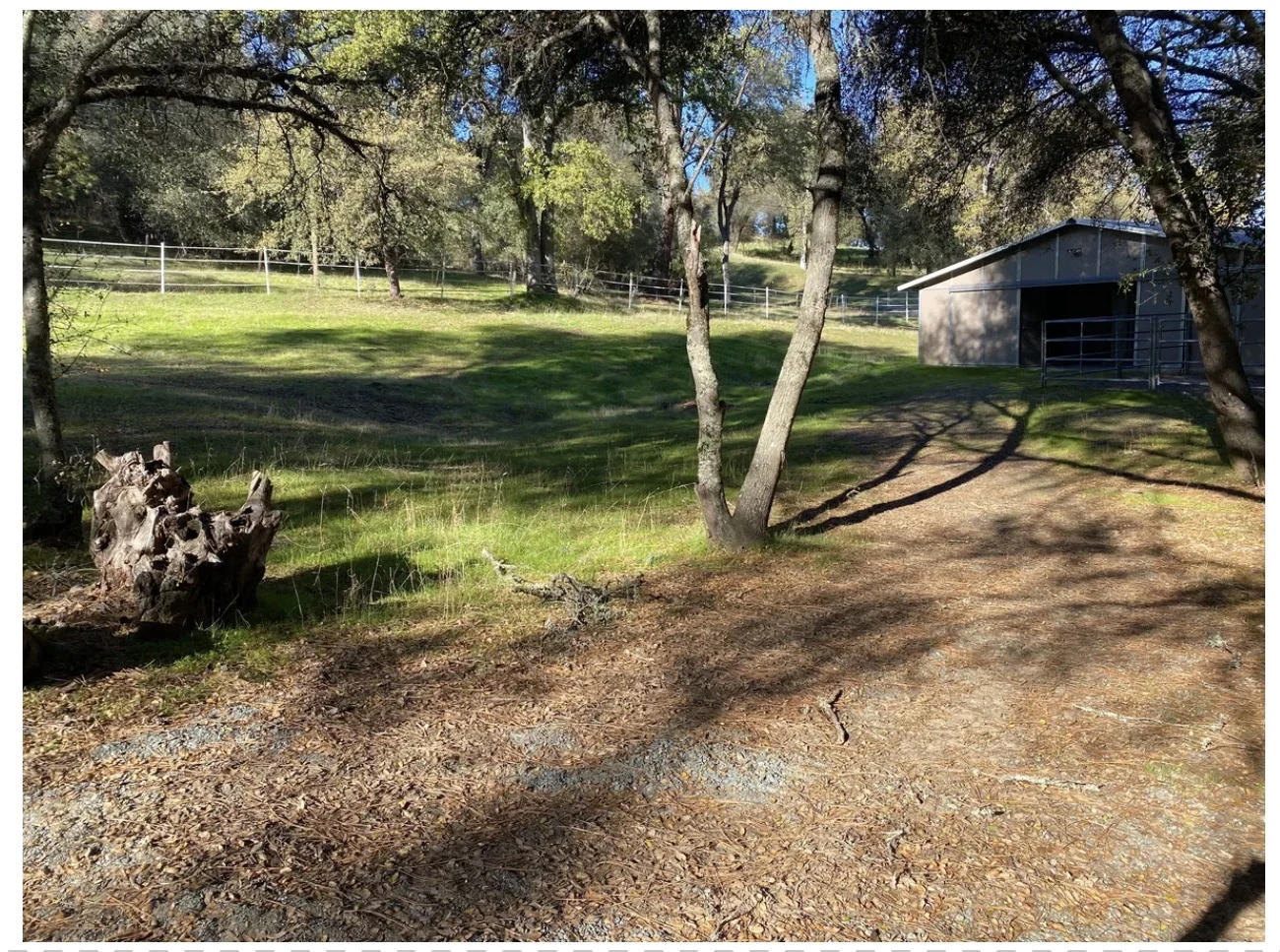
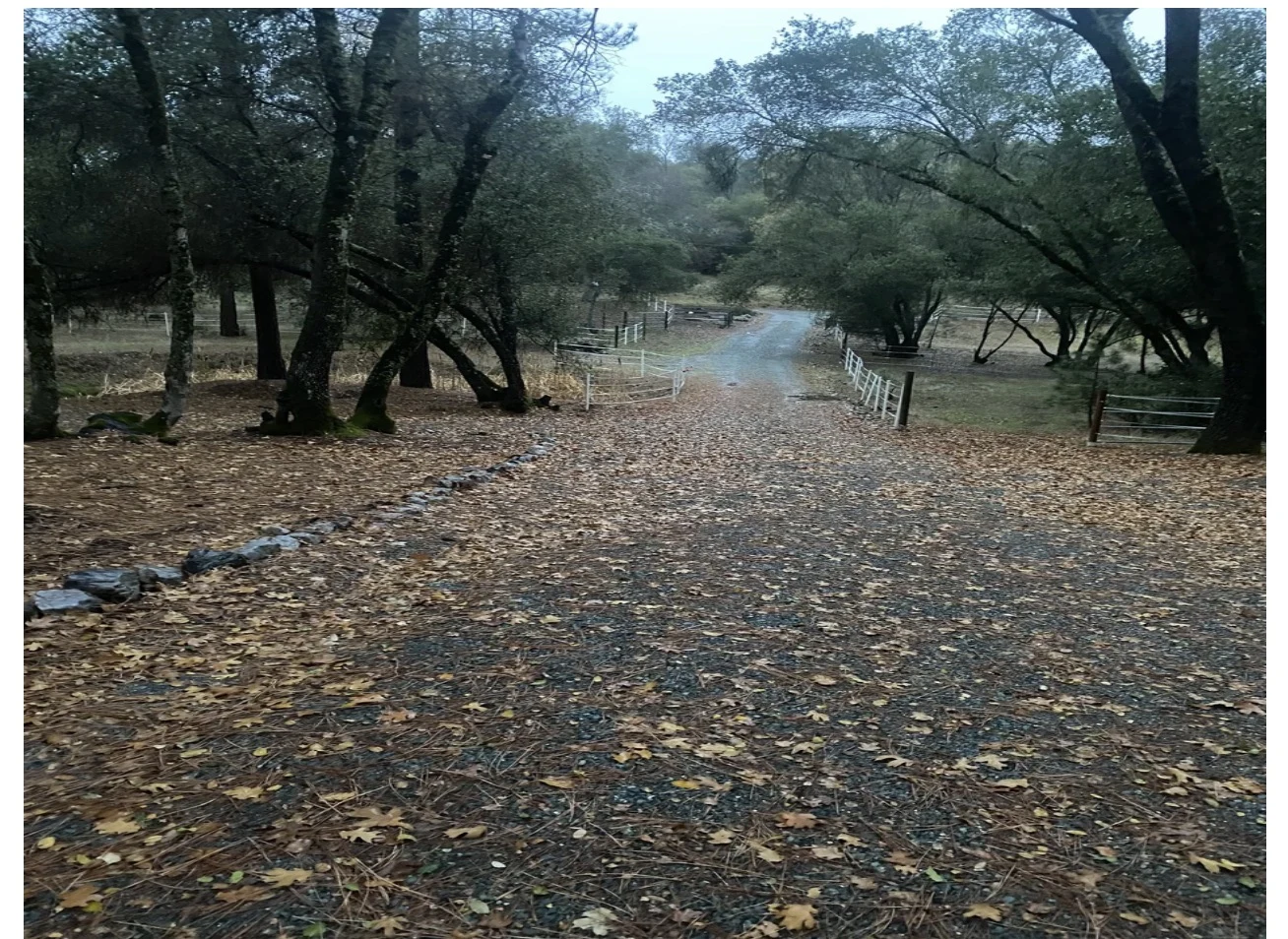
The property sits near Fiddletown in Amador County, with oak shade and open outdoor space to step outside and take a break.

Resident support
These kinds of support are included with a semi-private bed.
Explore education or training programs and organize the steps for applying or enrolling.
Identify job leads, organize applications, and prepare for interviews.
Keep track of appointments and paperwork and connect with community reentry resources.
All residents set intermediate and long-term goals, establish timelines for reaching them, and use those goals to build a structured daily schedule.
We are remote and thus facilitate and encourage zoom and digital modes of communication whenever possible. However, weekly grocery runs can add stops to the route. In person justice appearances receive guaranteed transport.
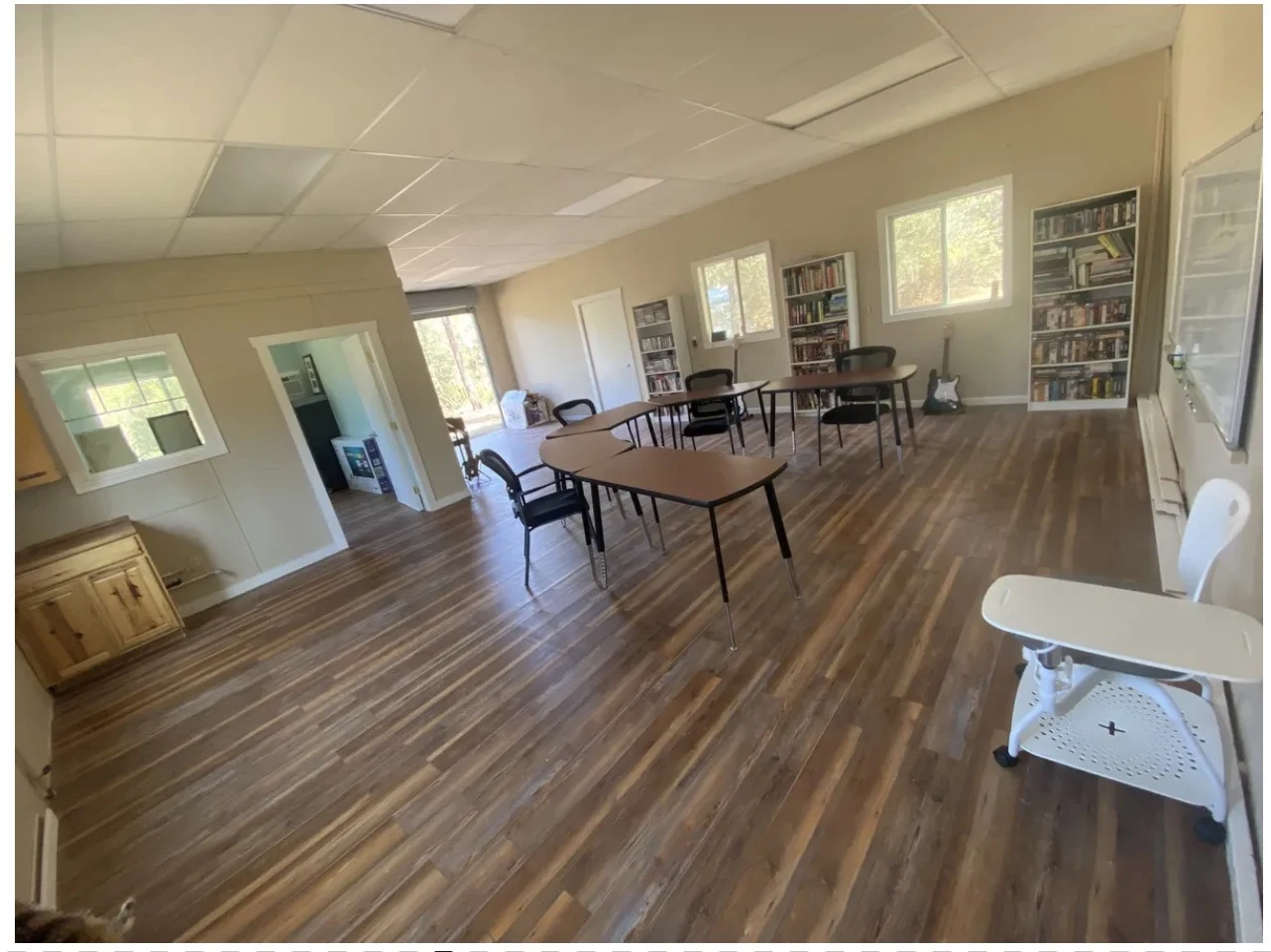
The on-site study lab has tables, bookshelves, and a whiteboard. Residents can use the space for schoolwork, applications, or group study.
We’re all trying to move forward with our lives. Quartz Mountain Home is a place to belong while rebuilding. We put supporting each other first and practice cooperation, accountability, routine, and perseverance in the ordinary work of living together. Our mutual goal is to dedicate our days to assemble for ourselves a self-sustaining working life of revenue, social support and personal meaning in the year that we have to do so.
Your roommate is your first buddy. Your first responsibility to the team is to check that your buddy is okay, then attend to your own routine. Your other housemates are your buddies too. They’re your team. When we’re together at home or on weekend outings, we move as a crew and look out for each other.
A predictable rhythm of meals, exercise, household responsibilities, and rest makes it easier to follow through. Small jobs such as preparing a meal or tending the yard give us practice starting, sticking with, and finishing what we do. We build the habits for greater independence one manageable step at a time.
When you arrive, you receive a resident number, often 6. As residents complete their stays, you move up in seniority and take on more responsibility. Resident 5 looks out for and guides resident 6. Resident 4 does the same for resident 5. Newer residents have the right to ask for guidance, and more experienced residents owe them that support.
If resident 6 runs into trouble, we first ask resident 5 what happened, what support they offered, and what they could have done differently. If resident 5 cannot account for how they supported resident 6, we ask resident 4 how they guided resident 5, and continue up the line as needed. Each resident answers for their own actions. Peer guides offer practical help and refer serious concerns to the program operator.
Spend time outdoors, make something, or settle in with a book or a movie. These activities offer ways to enjoy sober time on your own or with other residents.
Make music in the studio, listen to a favorite album, or spend time drawing, painting, or making something by hand.
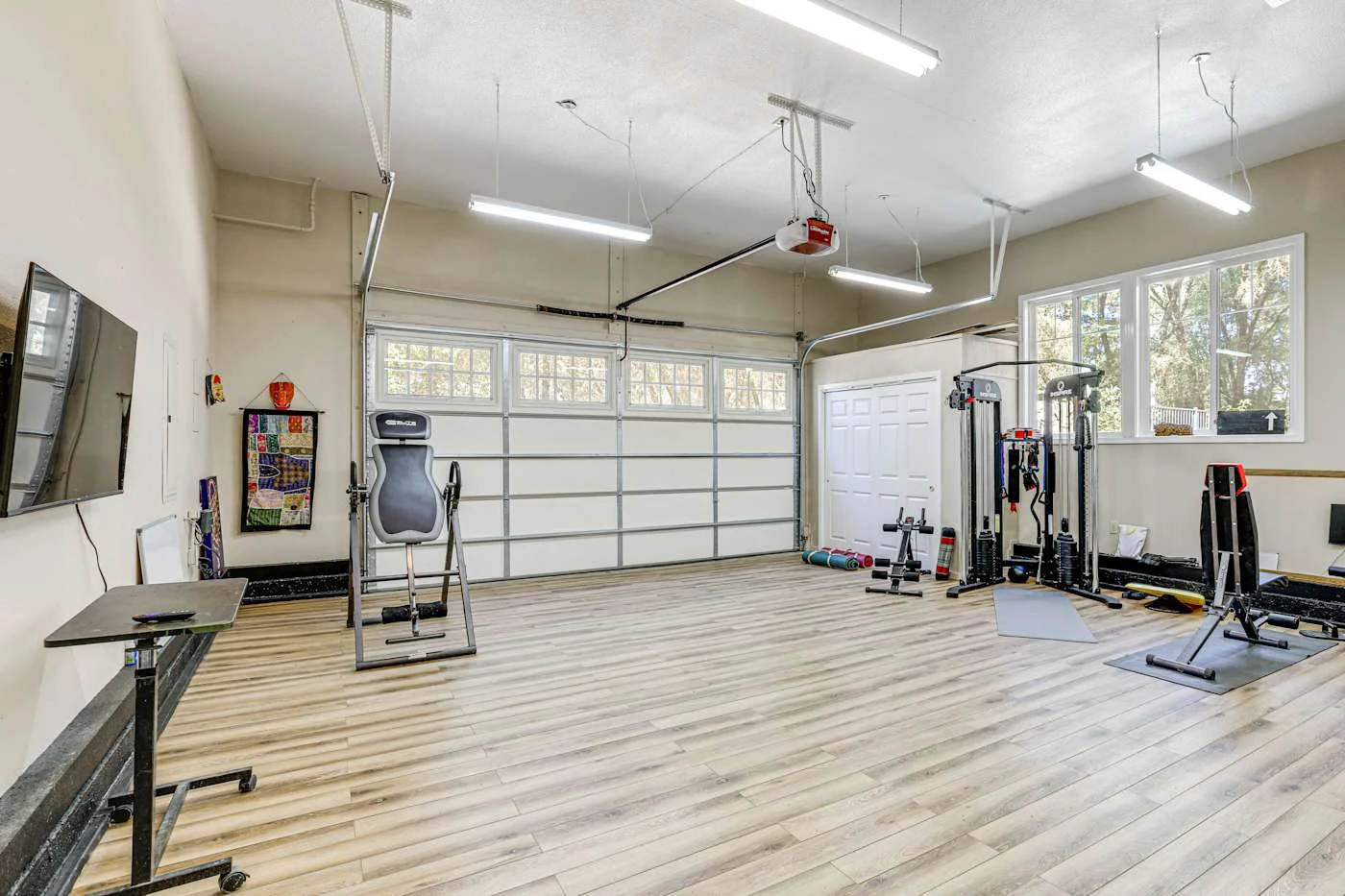
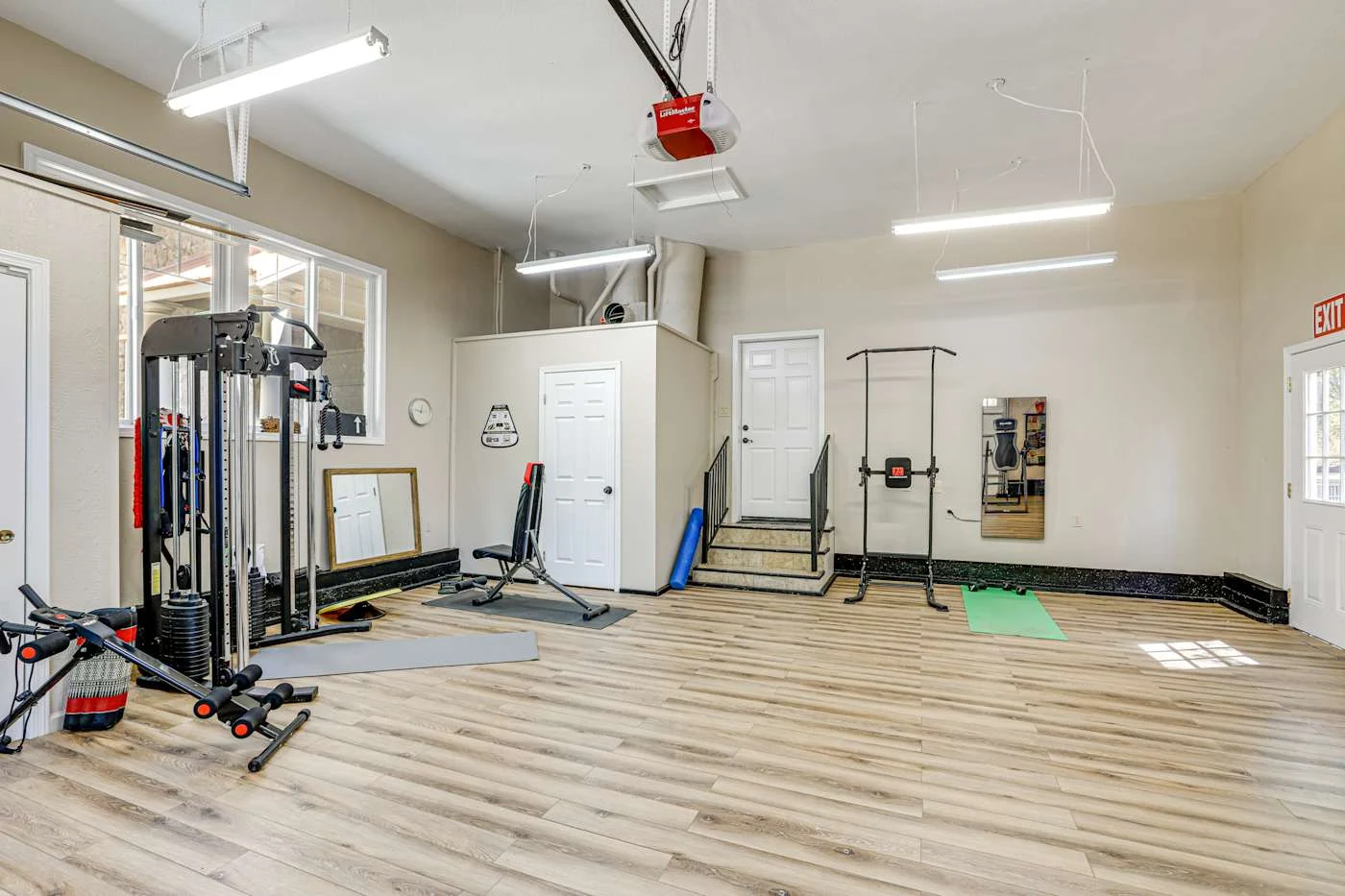
Use the studio for yoga, stretching, or a workout at your own pace.
Plant, water, and tend the garden or help look after the fruit trees as the seasons change.
Spend time around the animals or help with daily care. Horse care can include feeding, grooming, and tending the stalls.
Pick up a book, watch a movie on the big screen, or share a game. Virtual reality is another way to explore and play.
Watch the fish or help with routine care of the aquariums and koi ponds.
Make time for quiet meditation, listen to singing bowls or chimes, or explore aromatherapy.
Plan a menu, shop for ingredients, and cook a meal. Build practical routines for laundry, household chores, budgeting, and managing your time.
Residents can take part in hands-on projects around the property, including yard maintenance, irrigation repairs, fencing, and construction projects.
Residency
Residents whose stay is funded by a third party have a one-year residency license. Residents who pay directly may arrange a month-to-month license. The standard maximum stay is one year. In some circumstances, a stay may be extended to a total of two years.
Review support